
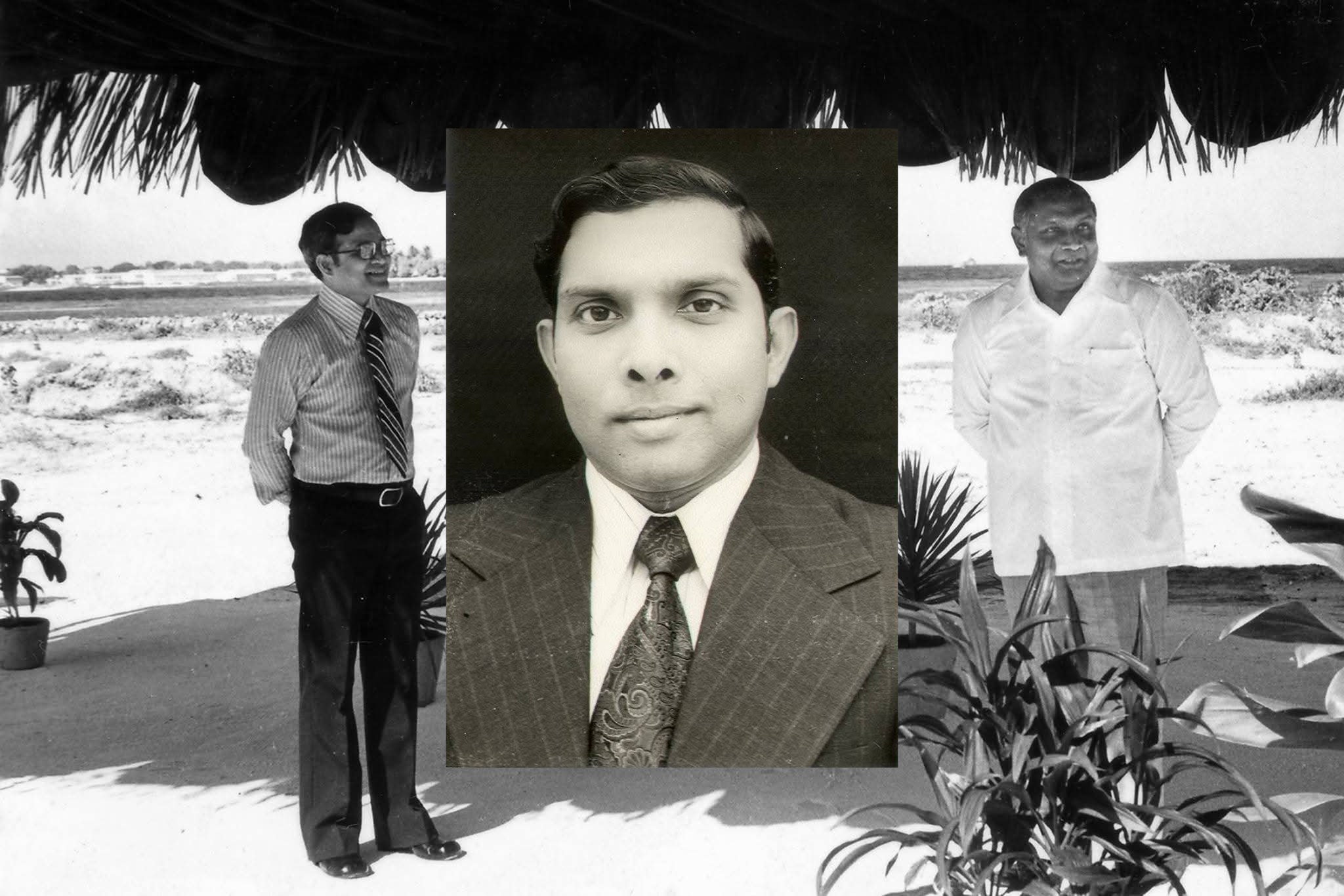
As I sit down to write this, nearly 47 years after a defining moment in Maldivian history, the insights from a 1978 WikiLeaks cable offer a fascinating glimpse into the nation’s past. Today, we look back at the transition of power from President Ibrahim Nasir to Maumoon Abdul Gayoom, a shift that External Affairs Minister Fathulla Jameel played a key role in shaping. Drawing from declassified U.S. diplomatic records, this article revisits Jameel’s vision, his efforts to mend ties with Sri Lanka, and the foundations laid for the Maldives’ modern era.
A Friendship Forged in Cairo
Jameel, a close friend of Gayoom from their Al-Azhar University days in Egypt, was a central figure in the 1978 transition. When Nasir rejected a third term offered by the Citizens Majlis, the choice fell to Transport Minister Maumoon Abdul Gayoom, who was elected and inaugurated on November 11, 1978. Jameel, who had served as the Maldives’ Permanent Representative to the UN before becoming External Affairs Minister earlier that year, retained his portfolio under Gayoom, reflecting their shared trust and vision.
Nasir’s Legacy and Social Reform
The WikiLeaks cable reveals Nasir’s transformative tenure, lifting the Maldives from a subsistence fishing economy to a modern state. His achievements included a burgeoning tourist industry with a dozen hotels, a fleet of 70 vessels crewed by Maldivians, and a growing fishing export sector. Yet, Nasir’s most enduring legacy was his merit-based policy for scholarships and government posts. This broke the dominance of Malé’s elite families, enabling young people from outer atolls to rise to prominence. Jameel noted the inclusion of a cabinet member from an outer atoll—an Islamic scholar also educated at Al-Azhar University. Such appointments were not new under Nasir, as they had been made in previous administrations too.
This policy also challenged deep-seated social divides. Jameel recounted how Malé’s ruling families once refused to eat with outer atoll communities, a practice Nasir sought to dismantle in government. Though met with resistance—some feared intermarriage—Gayoom committed to continuing this gradual integration, a process still unfolding in 1978.
Mending Ties with Sri Lanka
One of the most striking aspects of Jameel’s 1978 Colombo stopover was his effort to repair relations with Sri Lanka. The cable details his meetings with Acting Foreign Minister Ranil Wickramasinghe and Prime Minister Premadasa, who showed renewed interest in the Maldives after years of strained ties under Sirimavo Bandaranaike’s government. Jameel described their attitude as free of the patronizing tone once directed at the Maldives, a former “tributary state.” He highlighted Gayoom’s plan to reopen the Maldivian embassy in Colombo and revive cooperative economic activities, reversing the damage caused by Bandaranaike’s abrupt end to past partnerships. This diplomatic outreach, born from a personal visit to check on his ailing father, laid groundwork for stronger bilateral ties.
Economic Vision and Global Engagement
Jameel’s economic strategy was shaped by lessons from Egypt’s socialist era under Nasser, which he and Gayoom witnessed during their studies. Rejecting nationalization, Jameel proposed encouraging Malé’s wealthy families to invest locally under reasonable taxation, ensuring property security. He envisioned a development plan with Asian Development Bank support to coordinate the Maldives’ unplanned growth, addressing gaps in budgeting and statistics.
Internationally, Jameel welcomed improved Maldivian-American relations, citing the appointment of Consular Agent Rasheeda Didi in Malé and increased U.S. visits as positive steps. These exchanges, he noted, deepened mutual understanding—a sentiment echoed in his gratitude for knowledgeable U.S. private visitors.
A Lasting Impact
Looking back from 2025, Jameel’s 1978 conversations reveal a leader navigating the Maldives’ challenges with optimism. His role in smoothing Nasir’s exit, supporting Gayoom’s rise, and mending Sri Lankan relations underscores a pivotal moment. This was written only based on the records in the mentioned WikiLeaks documents and is intended solely for historical information, for those who might want to know the politics during the transition of Nasir’s 21-year power to Maumoon’s, which lasted for 30 years.
A Friendship Forged in Cairo
Jameel, a close friend of Gayoom from their Al-Azhar University days in Egypt, was a central figure in the 1978 transition. When Nasir rejected a third term offered by the Citizens Majlis, the choice fell to Transport Minister Maumoon Abdul Gayoom, who was elected and inaugurated on November 11, 1978. Jameel, who had served as the Maldives’ Permanent Representative to the UN before becoming External Affairs Minister earlier that year, retained his portfolio under Gayoom, reflecting their shared trust and vision.
Nasir’s Legacy and Social Reform
The WikiLeaks cable reveals Nasir’s transformative tenure, lifting the Maldives from a subsistence fishing economy to a modern state. His achievements included a burgeoning tourist industry with a dozen hotels, a fleet of 70 vessels crewed by Maldivians, and a growing fishing export sector. Yet, Nasir’s most enduring legacy was his merit-based policy for scholarships and government posts. This broke the dominance of Malé’s elite families, enabling young people from outer atolls to rise to prominence. Jameel noted the inclusion of a cabinet member from an outer atoll—an Islamic scholar also educated at Al-Azhar University. Such appointments were not new under Nasir, as they had been made in previous administrations too.
This policy also challenged deep-seated social divides. Jameel recounted how Malé’s ruling families once refused to eat with outer atoll communities, a practice Nasir sought to dismantle in government. Though met with resistance—some feared intermarriage—Gayoom committed to continuing this gradual integration, a process still unfolding in 1978.
Mending Ties with Sri Lanka
One of the most striking aspects of Jameel’s 1978 Colombo stopover was his effort to repair relations with Sri Lanka. The cable details his meetings with Acting Foreign Minister Ranil Wickramasinghe and Prime Minister Premadasa, who showed renewed interest in the Maldives after years of strained ties under Sirimavo Bandaranaike’s government. Jameel described their attitude as free of the patronizing tone once directed at the Maldives, a former “tributary state.” He highlighted Gayoom’s plan to reopen the Maldivian embassy in Colombo and revive cooperative economic activities, reversing the damage caused by Bandaranaike’s abrupt end to past partnerships. This diplomatic outreach, born from a personal visit to check on his ailing father, laid groundwork for stronger bilateral ties.
Economic Vision and Global Engagement
Jameel’s economic strategy was shaped by lessons from Egypt’s socialist era under Nasser, which he and Gayoom witnessed during their studies. Rejecting nationalization, Jameel proposed encouraging Malé’s wealthy families to invest locally under reasonable taxation, ensuring property security. He envisioned a development plan with Asian Development Bank support to coordinate the Maldives’ unplanned growth, addressing gaps in budgeting and statistics.
Internationally, Jameel welcomed improved Maldivian-American relations, citing the appointment of Consular Agent Rasheeda Didi in Malé and increased U.S. visits as positive steps. These exchanges, he noted, deepened mutual understanding—a sentiment echoed in his gratitude for knowledgeable U.S. private visitors.
A Lasting Impact
Looking back from 2025, Jameel’s 1978 conversations reveal a leader navigating the Maldives’ challenges with optimism. His role in smoothing Nasir’s exit, supporting Gayoom’s rise, and mending Sri Lankan relations underscores a pivotal moment. This was written only based on the records in the mentioned WikiLeaks documents and is intended solely for historical information, for those who might want to know the politics during the transition of Nasir’s 21-year power to Maumoon’s, which lasted for 30 years.