
Nestled in the turquoise heart of the Indian Ocean, the Maldives is a nation of breathtaking beauty and resilient spirit. Its history, marked by strategic diplomacy and unwavering resolve, tells a story of a small island nation fiercely defending its sovereignty against external pressures. From clarifying colonial misunderstandings to securing a place on the global stage, the Maldives has taken monumental steps to protect its independence. This feature explores three pivotal moments that shaped the nation’s path to sovereignty: the 1948 Agreement of Internal Independence, the 1965 Full Independence Agreement, and the Maldives’ entry into the United Nations in 1965.
Clearing the Clouds of Colonial Misunderstanding
In the late 19th century, the Maldives found itself entangled in a web of colonial influence. In December 1887, under pressure from the British, the Maldivian king signed a protectorate agreement, formalizing a relationship that saw the Maldives send an annual “vedhun” to the British administration in Ceylon (modern-day Sri Lanka). This vedhun, a symbolic gift rooted in centuries-old diplomatic traditions dating back to the Dutch era, was meant to foster goodwill. However, the British and Ceylonese misinterpreted it as a “tribute,” casting the Maldives as a subordinate state.
This misunderstanding carried significant implications. For the Ceylonese, the vedhun was evidence of historical dominion over the Maldives—a claim with no basis in historical records from either nation. The practice began in 1645 under Sultan Muhammad Imaduddin I, when the Maldives sent offerings to the Dutch governor of Ceylon, and continued after the British assumed control in 1796. Yet, the Maldives never saw itself as a tributary state, and the vedhun remained a gesture of mutual respect, not submission.
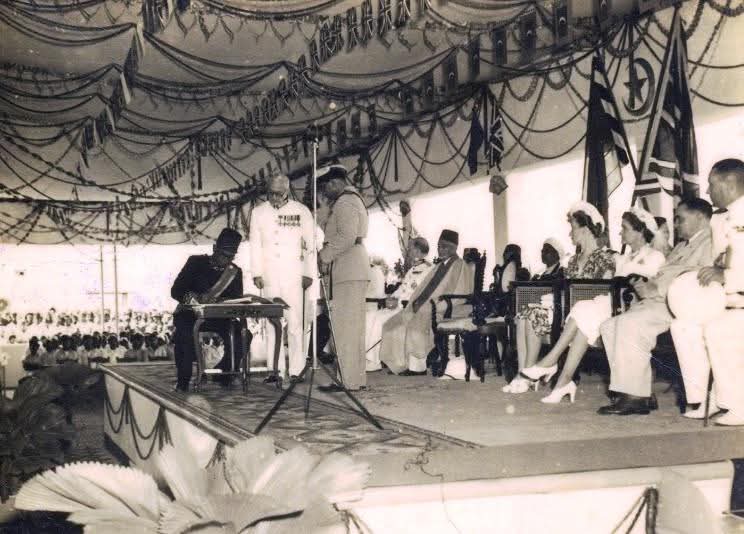
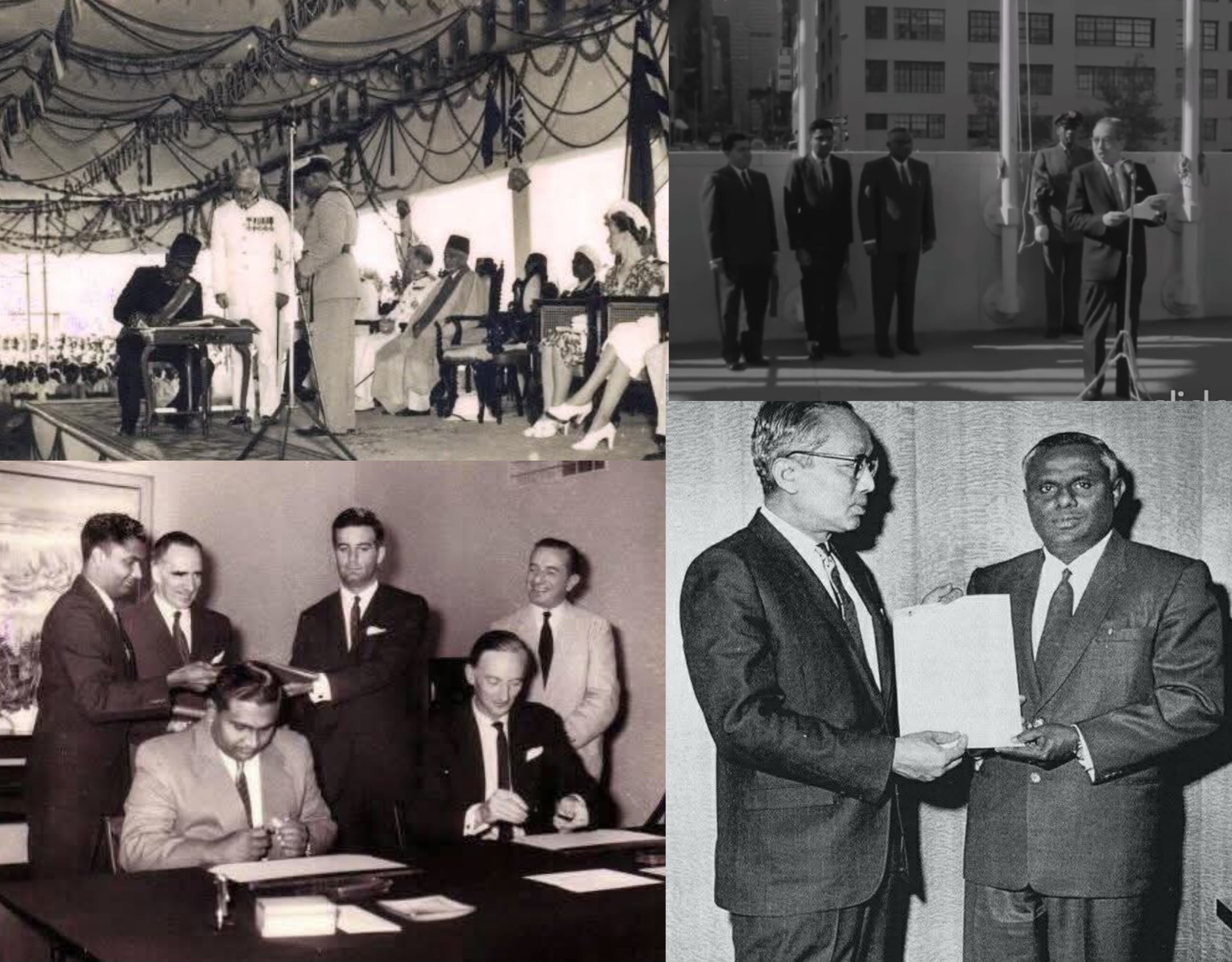
By the 1940s, this misperception posed a growing threat to Maldivian sovereignty, particularly as Ceylon approached independence. Enter Mohamed Amin Didi, a visionary leader who recognized the need to correct this narrative. In 1948, Didi spearheaded the renewal of the protectorate agreement with the British, signed in Male’ on April 24. This landmark Agreement of Internal Independence was a bold step to assert the Maldives’ autonomy. By explicitly ending the vedhun, the agreement dismantled Ceylon’s erroneous claims. This was especially critical after Ceylon gained independence on February 4, 1948, when its Prime Minister Solomon Bandaranaike audaciously claimed sovereignty over the Maldives in 1957, citing the historical “tribute.” The 1948 agreement ensured such claims had no legal or historical grounding, safeguarding the Maldives’ independence at a critical juncture.
Breaking Free: The 1965 Full Independence Agreement
The journey to full sovereignty reached its zenith on July 26, 1965, under the leadership of Prime Minister Ibrahim Nasir. On this historic day, the Maldives signed the Full Independence Agreement with the United Kingdom, formally ending its status as a British protectorate. This agreement marked the culmination of decades of diplomatic efforts to assert the Maldives as a fully sovereign nation, free to forge its own path in international relations.
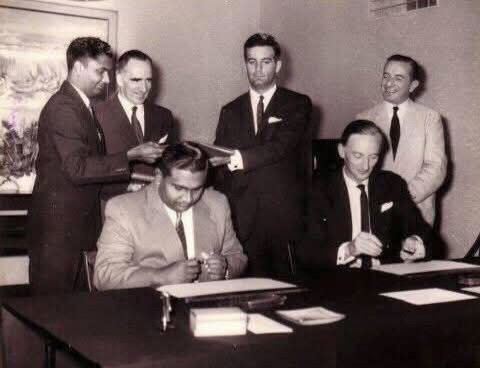
The 1965 agreement was more than a symbolic victory; it was a declaration of the Maldives’ right to self-determination. No longer bound by colonial oversight, the nation could establish diplomatic ties, negotiate treaties, and engage with the global community on its own terms. This step was a testament to the Maldives’ resilience, proving that even a small nation could chart its destiny with determination and strategic foresight.
A Seat at the Global Table: Joining the United Nations
One month after achieving full independence, the Maldives took its boldest step yet to cement its place in the world: applying for membership in the United Nations. On August 26, 1965, Prime Minister Ibrahim Nasir submitted a formal request to the UN Secretary-General, accompanied by a pledge to uphold the obligations of the UN Charter. This move was not just procedural—it was a powerful assertion of the Maldives’ sovereignty and equality among nations.
At the time, the Maldives was the smallest country, in both population and land area, to seek UN membership. Its application was debated at the 1243rd meeting of the Security Council on September 20, 1965, alongside Singapore’s. The resolution, co-sponsored by Jordan, Malaysia, and the United Kingdom, received resounding support. British delegate Lord Caradon eloquently championed the Maldives, describing it as a freedom-loving nation with a democratic government and a benevolent monarchy. He emphasized the 1965 Independence Agreement, which granted the Maldives full sovereignty and the right to engage freely with other nations and organizations.
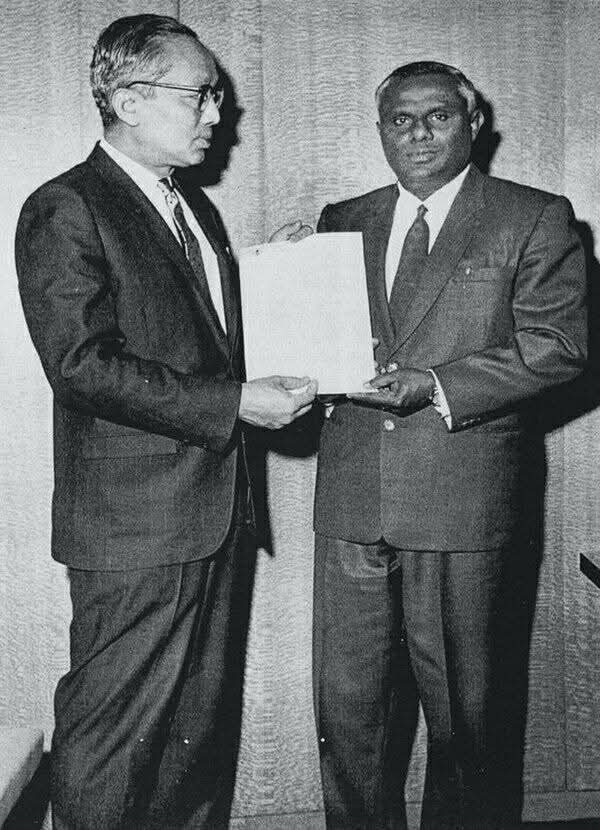
Delegates from Malaysia, the Netherlands, France, Bolivia, and Uruguay echoed this support, recognizing the Maldives’ readiness to contribute to global peace and cooperation. On September 20, 1965, the Security Council unanimously approved the Maldives’ membership, and the following day, September 21, the UN General Assembly officially welcomed the Maldives as a member state.
This milestone was transformative. By joining the UN, the Maldives secured its place on equal footing with the world’s nations, a status it has proudly maintained for 59 years. Membership amplified the Maldives’ voice in international forums, ensuring its sovereignty was recognized and respected globally.
A Legacy of Resilience
The Maldives’ journey to defend its independence is a remarkable tale of foresight, courage, and diplomacy. The 1948 Agreement of Internal Independence dismantled colonial misinterpretations, the 1965 Full Independence Agreement broke the chains of protectorate status, and UN membership in 1965 elevated the Maldives to the global stage. Together, these steps transformed a small island nation into a sovereign powerhouse, standing tall among the world’s independent states.
Today, as the Maldives navigates modern challenges—from climate change to global diplomacy—its history of safeguarding independence serves as a beacon of inspiration. The nation’s leaders, from Mohamed Amin Didi to Ibrahim Nasir, demonstrated that size is no barrier to sovereignty. Through strategic agreements and bold international engagement, the Maldives has not only defended its independence but also carved out a lasting legacy as a proud, self-determined nation.
Clearing the Clouds of Colonial Misunderstanding
In the late 19th century, the Maldives found itself entangled in a web of colonial influence. In December 1887, under pressure from the British, the Maldivian king signed a protectorate agreement, formalizing a relationship that saw the Maldives send an annual “vedhun” to the British administration in Ceylon (modern-day Sri Lanka). This vedhun, a symbolic gift rooted in centuries-old diplomatic traditions dating back to the Dutch era, was meant to foster goodwill. However, the British and Ceylonese misinterpreted it as a “tribute,” casting the Maldives as a subordinate state.
This misunderstanding carried significant implications. For the Ceylonese, the vedhun was evidence of historical dominion over the Maldives—a claim with no basis in historical records from either nation. The practice began in 1645 under Sultan Muhammad Imaduddin I, when the Maldives sent offerings to the Dutch governor of Ceylon, and continued after the British assumed control in 1796. Yet, the Maldives never saw itself as a tributary state, and the vedhun remained a gesture of mutual respect, not submission.
By the 1940s, this misperception posed a growing threat to Maldivian sovereignty, particularly as Ceylon approached independence. Enter Mohamed Amin Didi, a visionary leader who recognized the need to correct this narrative. In 1948, Didi spearheaded the renewal of the protectorate agreement with the British, signed in Male’ on April 24. This landmark Agreement of Internal Independence was a bold step to assert the Maldives’ autonomy. By explicitly ending the vedhun, the agreement dismantled Ceylon’s erroneous claims. This was especially critical after Ceylon gained independence on February 4, 1948, when its Prime Minister Solomon Bandaranaike audaciously claimed sovereignty over the Maldives in 1957, citing the historical “tribute.” The 1948 agreement ensured such claims had no legal or historical grounding, safeguarding the Maldives’ independence at a critical juncture.
Breaking Free: The 1965 Full Independence Agreement
The journey to full sovereignty reached its zenith on July 26, 1965, under the leadership of Prime Minister Ibrahim Nasir. On this historic day, the Maldives signed the Full Independence Agreement with the United Kingdom, formally ending its status as a British protectorate. This agreement marked the culmination of decades of diplomatic efforts to assert the Maldives as a fully sovereign nation, free to forge its own path in international relations.
The 1965 agreement was more than a symbolic victory; it was a declaration of the Maldives’ right to self-determination. No longer bound by colonial oversight, the nation could establish diplomatic ties, negotiate treaties, and engage with the global community on its own terms. This step was a testament to the Maldives’ resilience, proving that even a small nation could chart its destiny with determination and strategic foresight.
A Seat at the Global Table: Joining the United Nations
One month after achieving full independence, the Maldives took its boldest step yet to cement its place in the world: applying for membership in the United Nations. On August 26, 1965, Prime Minister Ibrahim Nasir submitted a formal request to the UN Secretary-General, accompanied by a pledge to uphold the obligations of the UN Charter. This move was not just procedural—it was a powerful assertion of the Maldives’ sovereignty and equality among nations.
At the time, the Maldives was the smallest country, in both population and land area, to seek UN membership. Its application was debated at the 1243rd meeting of the Security Council on September 20, 1965, alongside Singapore’s. The resolution, co-sponsored by Jordan, Malaysia, and the United Kingdom, received resounding support. British delegate Lord Caradon eloquently championed the Maldives, describing it as a freedom-loving nation with a democratic government and a benevolent monarchy. He emphasized the 1965 Independence Agreement, which granted the Maldives full sovereignty and the right to engage freely with other nations and organizations.
Delegates from Malaysia, the Netherlands, France, Bolivia, and Uruguay echoed this support, recognizing the Maldives’ readiness to contribute to global peace and cooperation. On September 20, 1965, the Security Council unanimously approved the Maldives’ membership, and the following day, September 21, the UN General Assembly officially welcomed the Maldives as a member state.
This milestone was transformative. By joining the UN, the Maldives secured its place on equal footing with the world’s nations, a status it has proudly maintained for 59 years. Membership amplified the Maldives’ voice in international forums, ensuring its sovereignty was recognized and respected globally.
A Legacy of Resilience
The Maldives’ journey to defend its independence is a remarkable tale of foresight, courage, and diplomacy. The 1948 Agreement of Internal Independence dismantled colonial misinterpretations, the 1965 Full Independence Agreement broke the chains of protectorate status, and UN membership in 1965 elevated the Maldives to the global stage. Together, these steps transformed a small island nation into a sovereign powerhouse, standing tall among the world’s independent states.
Today, as the Maldives navigates modern challenges—from climate change to global diplomacy—its history of safeguarding independence serves as a beacon of inspiration. The nation’s leaders, from Mohamed Amin Didi to Ibrahim Nasir, demonstrated that size is no barrier to sovereignty. Through strategic agreements and bold international engagement, the Maldives has not only defended its independence but also carved out a lasting legacy as a proud, self-determined nation.