
On August 12, 2004, the Maldives witnessed the stirrings of a historic protest that would come to be known as Black Friday, or Kalhu Hukuru in Dhivehi. This pivotal event, which gained momentum on August 13, marked a turning point in the nation’s fight for democracy, challenging the 26-year autocratic rule of President Maumoon Abdul Gayoom.
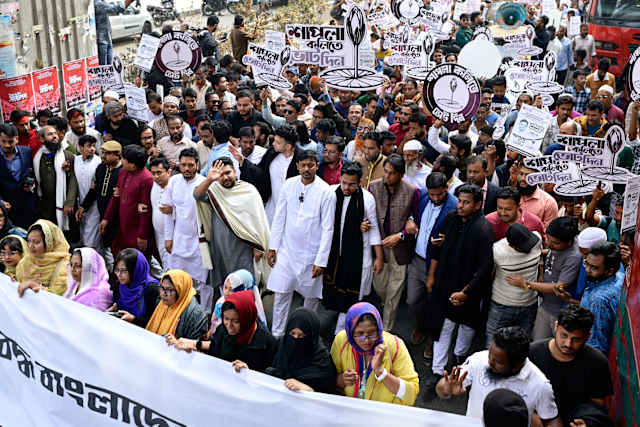
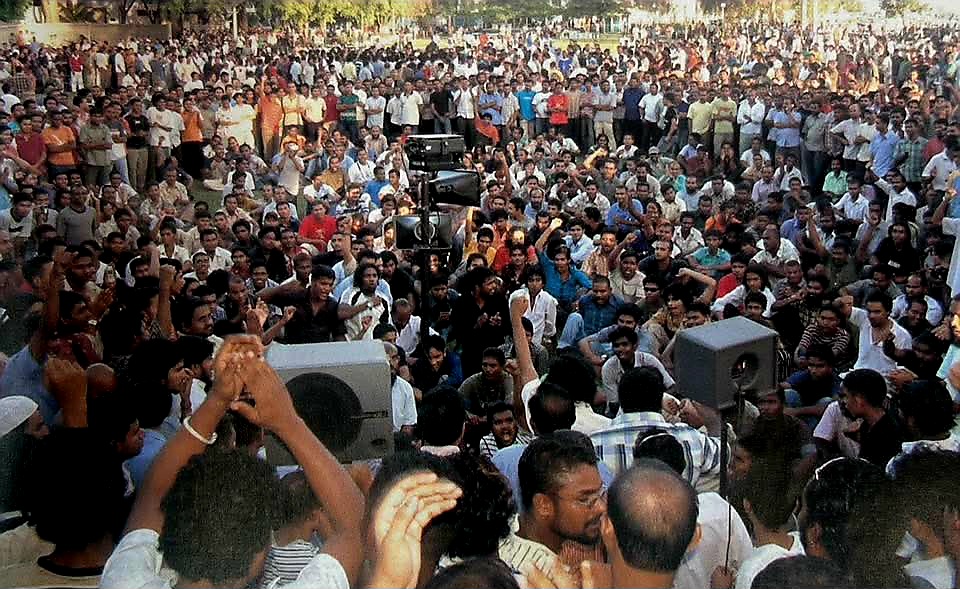
The demonstration began at sunset on August 12, as citizens, politicians, and activists gathered at Jumhooree Maidhaan, a public square in Malé, directly facing the Police Headquarters and the National Security Service (now the Maldives National Defence Force). The crowd swelled overnight, united in their demand for political reform, greater freedoms, and an end to Gayoom’s iron-fisted regime. By the afternoon of August 13, the protest had grown into the largest anti-government demonstration in the Maldives’ history.
At the time, the Maldives’ security forces, a combined police and military unit, were unprepared for civil unrest. Lacking riot control training or equipment and armed only with batons, they responded with force. The heavy-handed crackdown saw scores of protesters, including prominent politicians, arrested. Eyewitnesses reported harsh treatment of detainees, including blindfolding and physical mistreatment, exposing the government’s intolerance for dissent.
Far from silencing the call for change, Black Friday galvanized the Maldives’ pro-democracy movement. The event drew international attention to the country’s repressive political climate and highlighted the need for institutional reform. It laid the groundwork for significant changes, including the separation of the police and military and the historic democratic elections of 2008. Black Friday remains a powerful symbol of the Maldives’ struggle for freedom and the resilience of its people in the face of oppression.
The demonstration began at sunset on August 12, as citizens, politicians, and activists gathered at Jumhooree Maidhaan, a public square in Malé, directly facing the Police Headquarters and the National Security Service (now the Maldives National Defence Force). The crowd swelled overnight, united in their demand for political reform, greater freedoms, and an end to Gayoom’s iron-fisted regime. By the afternoon of August 13, the protest had grown into the largest anti-government demonstration in the Maldives’ history.
At the time, the Maldives’ security forces, a combined police and military unit, were unprepared for civil unrest. Lacking riot control training or equipment and armed only with batons, they responded with force. The heavy-handed crackdown saw scores of protesters, including prominent politicians, arrested. Eyewitnesses reported harsh treatment of detainees, including blindfolding and physical mistreatment, exposing the government’s intolerance for dissent.
Far from silencing the call for change, Black Friday galvanized the Maldives’ pro-democracy movement. The event drew international attention to the country’s repressive political climate and highlighted the need for institutional reform. It laid the groundwork for significant changes, including the separation of the police and military and the historic democratic elections of 2008. Black Friday remains a powerful symbol of the Maldives’ struggle for freedom and the resilience of its people in the face of oppression.