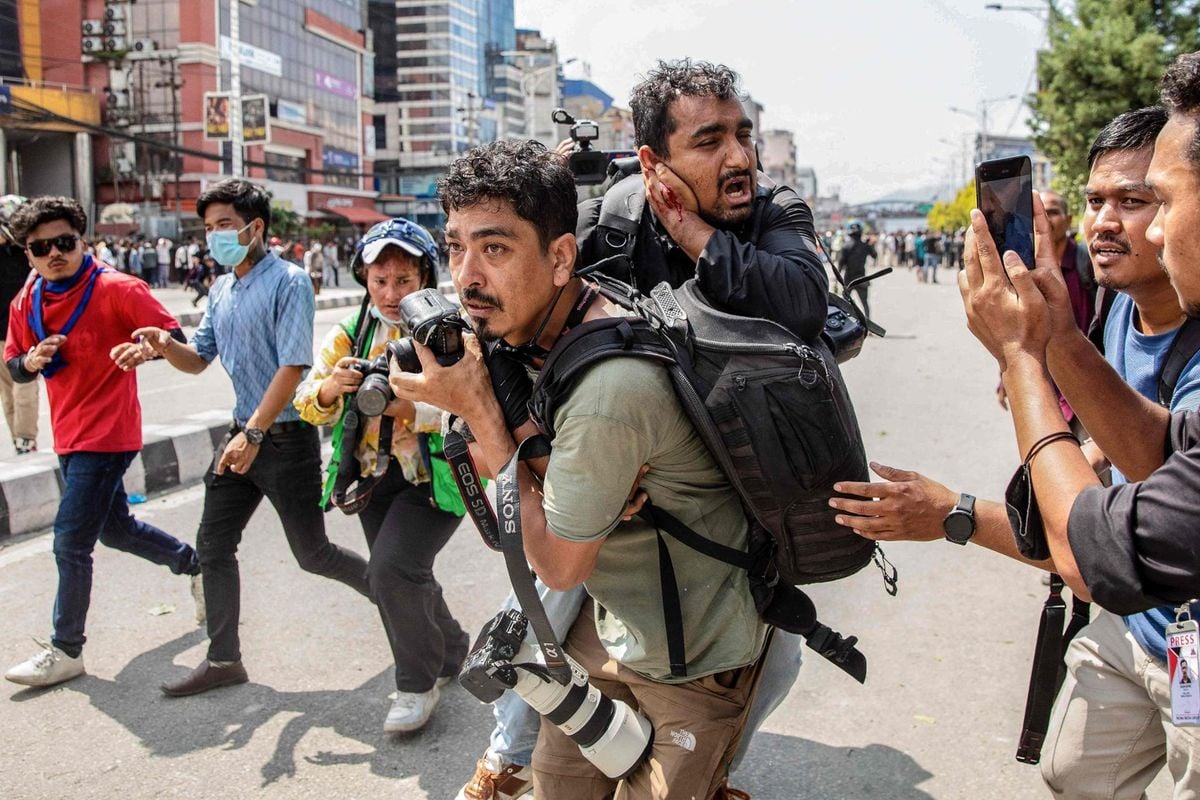
Nepal’s government on Tuesday lifted its ban on major social media platforms, a day after violent street protests in Kathmandu left at least 19 people dead and scores injured.
The ban, which blocked Facebook, X, YouTube, and other platforms last week, sparked massive demonstrations in the capital on Monday. Tens of thousands of protesters gathered near Parliament, chanting against censorship and demanding greater accountability from the government. Police opened fire on the crowds, with doctors at the National Trauma Center reporting that many victims had sustained gunshot wounds to the head and chest.
The unrest prompted the resignation of Home Minister Ramesh Lekhak during an emergency Cabinet meeting late Monday.
Authorities said the ban was imposed after companies failed to register in Nepal and comply with oversight requirements. However, critics and rights groups described the government’s proposed social media bill as a tool for censorship, arguing it would stifle free expression and punish dissent.
While TikTok, Viber, and a few other platforms had registered and continued operating, most major networks remained inaccessible until Tuesday.
The protests—dubbed the “Gen Z uprising”—underscore rising frustration among young Nepalis over corruption, economic hardship, and government overreach.
The ban, which blocked Facebook, X, YouTube, and other platforms last week, sparked massive demonstrations in the capital on Monday. Tens of thousands of protesters gathered near Parliament, chanting against censorship and demanding greater accountability from the government. Police opened fire on the crowds, with doctors at the National Trauma Center reporting that many victims had sustained gunshot wounds to the head and chest.
The unrest prompted the resignation of Home Minister Ramesh Lekhak during an emergency Cabinet meeting late Monday.
Authorities said the ban was imposed after companies failed to register in Nepal and comply with oversight requirements. However, critics and rights groups described the government’s proposed social media bill as a tool for censorship, arguing it would stifle free expression and punish dissent.
While TikTok, Viber, and a few other platforms had registered and continued operating, most major networks remained inaccessible until Tuesday.
The protests—dubbed the “Gen Z uprising”—underscore rising frustration among young Nepalis over corruption, economic hardship, and government overreach.