
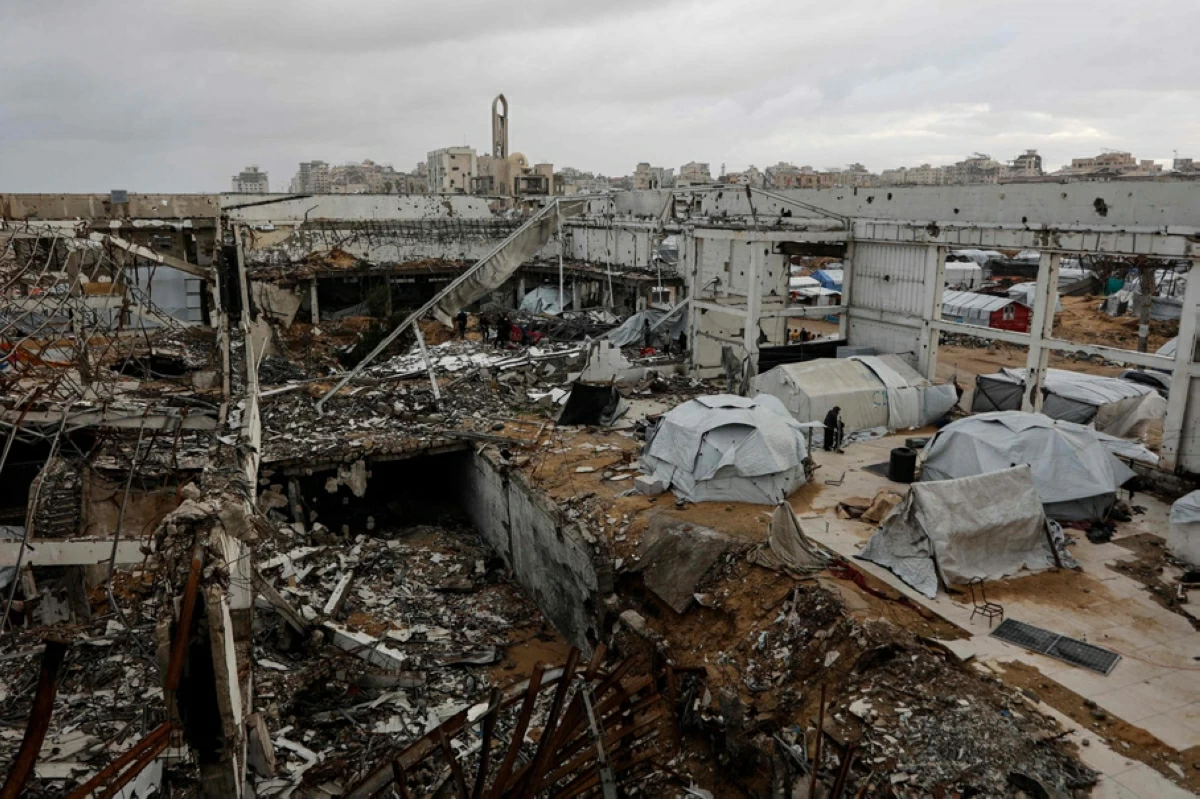
A US-backed plan to end the war in Gaza has moved into its second phase despite unresolved disagreements between Israel and Hamas over ceasefire violations, disarmament and Israel’s military withdrawal from the territory.
The new phase introduces a 15-member Palestinian technocratic committee tasked with managing Gaza’s day-to-day governance under the supervision of a so-called “Board of Peace,” to be chaired by US President Donald Trump. Mediators Egypt, Turkiye and Qatar said former Palestinian Authority official Ali Shaath has been appointed to lead the committee.
Key issues remain unresolved, including Hamas’s refusal to publicly commit to full disarmament — a core Israeli demand — and the absence of a clear timetable for Israel’s complete withdrawal from Gaza. Hamas has also accused Israel of repeated ceasefire violations, while Israel says it has targeted militants crossing restricted zones.
While the first phase secured the return of most hostages and a reduction in fighting, Gaza continues to face severe humanitarian shortages. Diplomats warn that the success of phase two will depend on sustained international pressure and progress on long-standing political and security disputes.
The new phase introduces a 15-member Palestinian technocratic committee tasked with managing Gaza’s day-to-day governance under the supervision of a so-called “Board of Peace,” to be chaired by US President Donald Trump. Mediators Egypt, Turkiye and Qatar said former Palestinian Authority official Ali Shaath has been appointed to lead the committee.
Key issues remain unresolved, including Hamas’s refusal to publicly commit to full disarmament — a core Israeli demand — and the absence of a clear timetable for Israel’s complete withdrawal from Gaza. Hamas has also accused Israel of repeated ceasefire violations, while Israel says it has targeted militants crossing restricted zones.
While the first phase secured the return of most hostages and a reduction in fighting, Gaza continues to face severe humanitarian shortages. Diplomats warn that the success of phase two will depend on sustained international pressure and progress on long-standing political and security disputes.