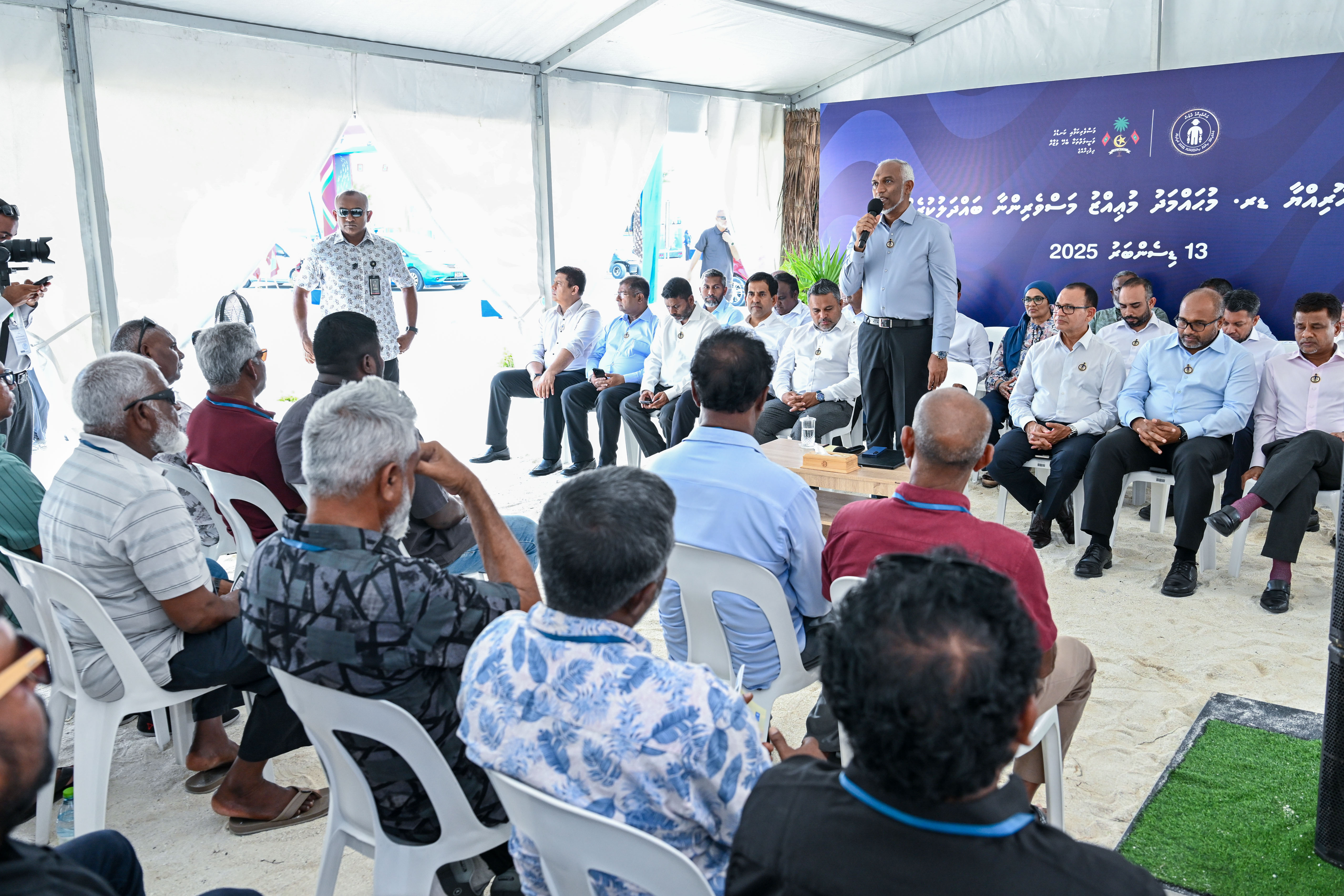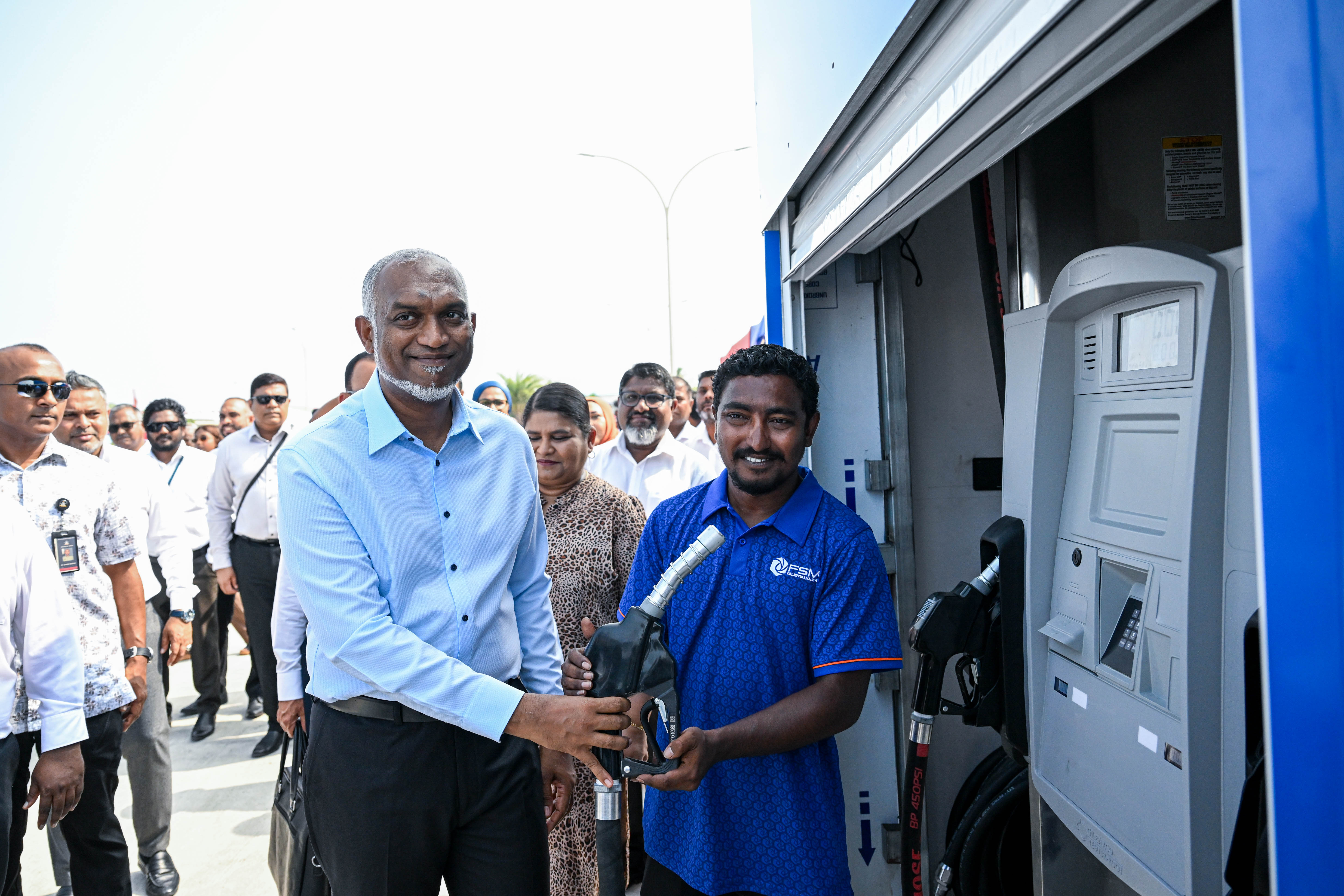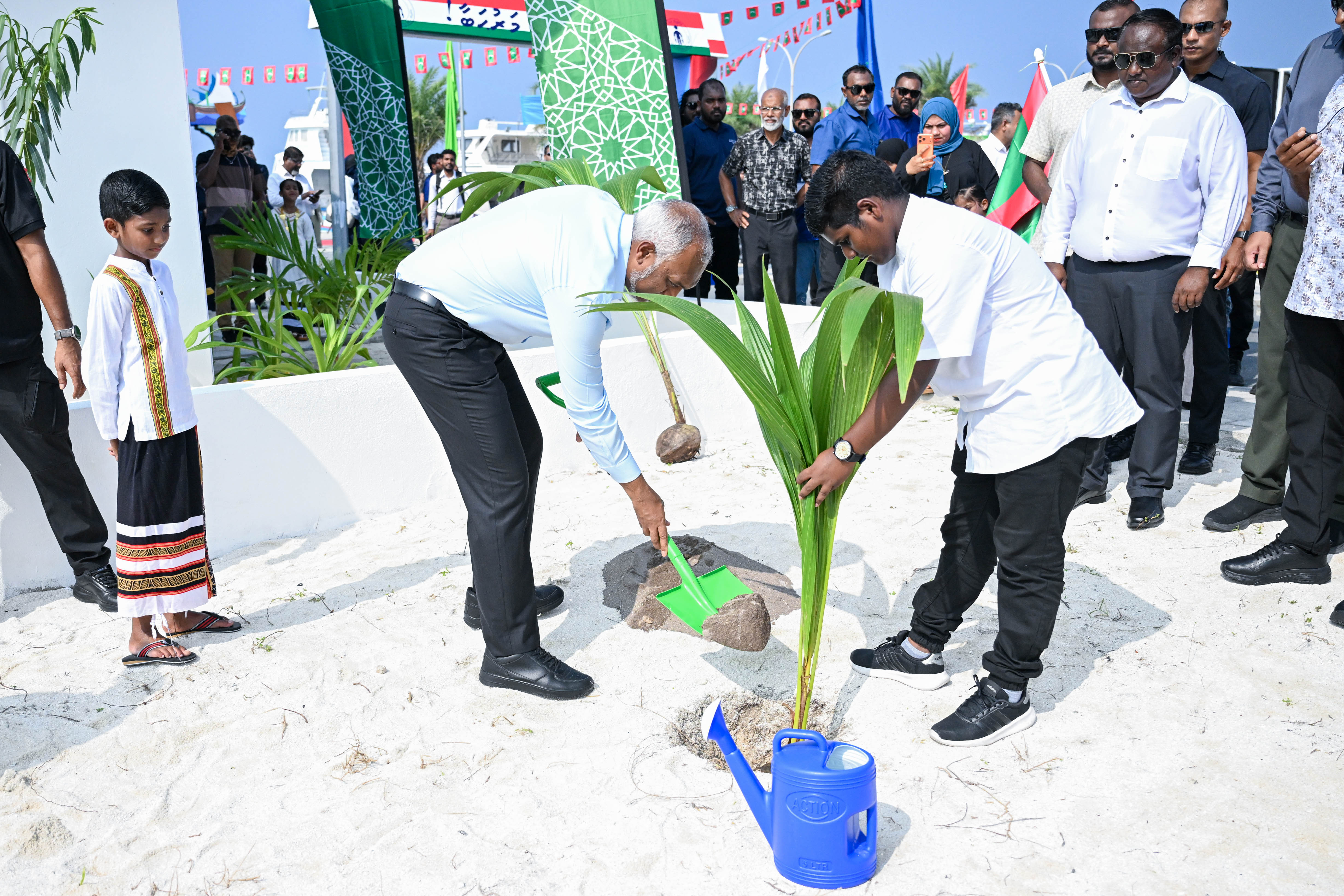


President Dr. Mohamed Muizzu has come under fire from political analysts and opposition figures for personally inaugurating Bank of Maldives (BML) ATM machines on several islands with elaborate ribbon-cutting ceremonies. While the installation of ATMs aims to improve financial access in remote communities, critics argue that the government is exaggerating the significance of these $2,500 machines by treating their launch as a major developmental milestone.
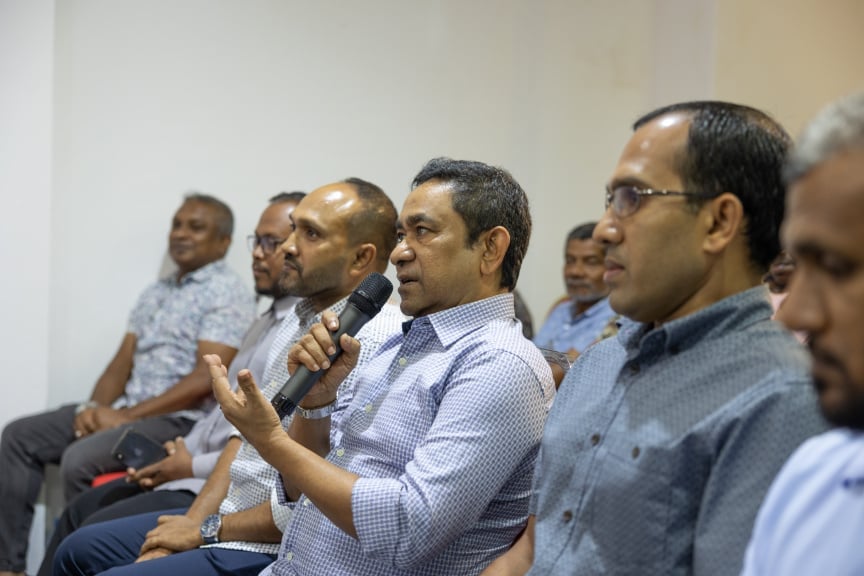
ATMs, a technology widely used since the 1980s, are not new to the Maldives, with the first machines introduced in the early 2000s. The opposition, led by figures like former President Abdulla Yameen Abdul Gayoom, has been particularly vocal. Speaking at a gathering of his party, the PNF, Yameen criticized the government for prioritizing ATM installations over more substantial development projects, accusing them of celebrating routine infrastructure as grand achievements.
Responding to the backlash during a visit to Nellaidhoo, President Muizzu defended the initiative, emphasizing its importance for island communities. “Some parties are treating the installation of ATMs as if it’s an ordinary thing. It’s not ordinary. Perhaps those who don’t understand the importance of such things for the people of these islands might consider it ordinary,” he said. Muizzu stressed that the ATMs bring significant relief to citizens by enhancing access to banking services in remote areas.
Supporters of the president argue that his presence at these ceremonies underscores the government’s commitment to equitable development across the Maldives’ atolls. However, critics maintain that the media-heavy events risk portraying the administration as out of touch, with the pomp overshadowing the practical benefits of the ATMs.
The controversy has sparked a broader debate about political priorities in the Maldives. While the ATMs themselves are a step toward financial inclusion, the lavish ceremonies surrounding their launch have left many questioning whether the government is focusing on substance or spectacle.
ATMs, a technology widely used since the 1980s, are not new to the Maldives, with the first machines introduced in the early 2000s. The opposition, led by figures like former President Abdulla Yameen Abdul Gayoom, has been particularly vocal. Speaking at a gathering of his party, the PNF, Yameen criticized the government for prioritizing ATM installations over more substantial development projects, accusing them of celebrating routine infrastructure as grand achievements.
Responding to the backlash during a visit to Nellaidhoo, President Muizzu defended the initiative, emphasizing its importance for island communities. “Some parties are treating the installation of ATMs as if it’s an ordinary thing. It’s not ordinary. Perhaps those who don’t understand the importance of such things for the people of these islands might consider it ordinary,” he said. Muizzu stressed that the ATMs bring significant relief to citizens by enhancing access to banking services in remote areas.
Supporters of the president argue that his presence at these ceremonies underscores the government’s commitment to equitable development across the Maldives’ atolls. However, critics maintain that the media-heavy events risk portraying the administration as out of touch, with the pomp overshadowing the practical benefits of the ATMs.
The controversy has sparked a broader debate about political priorities in the Maldives. While the ATMs themselves are a step toward financial inclusion, the lavish ceremonies surrounding their launch have left many questioning whether the government is focusing on substance or spectacle.