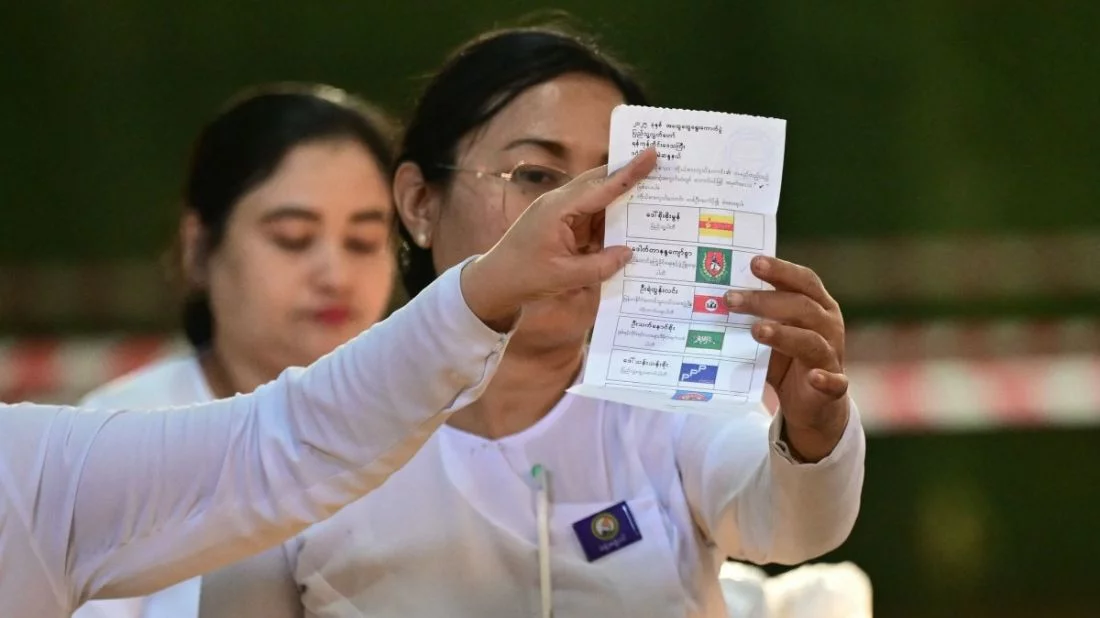

India will dispatch monitoring teams to oversee Myanmar’s upcoming general election, state media in the conflict-torn nation reported Monday. The vote, set to begin on December 28, has been widely criticized by rights groups and opposition forces as a sham.
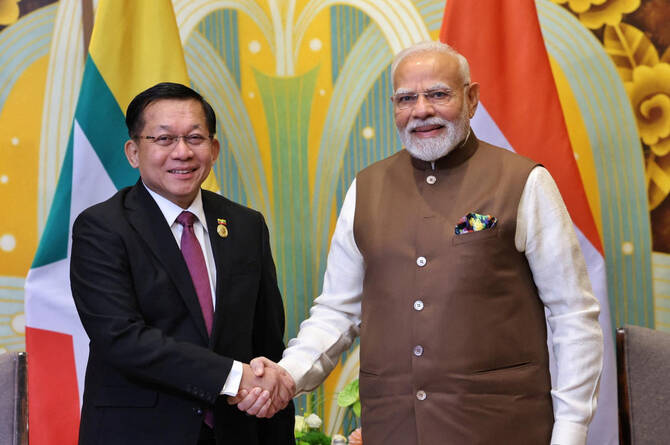
Myanmar’s military chief Min Aung Hlaing met Indian Prime Minister Narendra Modi on the sidelines of the Shanghai Cooperation Organization summit in China on Sunday. According to Myanmar’s state-run Global New Light newspaper, the two leaders discussed border security, trade, and regional cooperation.
India’s foreign ministry said Modi expressed hope that the election would be “fair and inclusive,” though critics argue that the polls exclude opposition groups and risk entrenching military control.
Myanmar has been in turmoil since a 2021 coup that ousted Aung San Suu Kyi’s elected government and plunged the country into civil war. Authorities say the elections will cover more than 300 constituencies, though large parts of the country remain under opposition control.
So far, nine parties have registered to contest nationwide and 55 at the provincial level, all cleared by military-backed election authorities. Western governments and rights groups maintain that the polls are designed to legitimize military rule through proxy parties.
Myanmar’s military chief Min Aung Hlaing met Indian Prime Minister Narendra Modi on the sidelines of the Shanghai Cooperation Organization summit in China on Sunday. According to Myanmar’s state-run Global New Light newspaper, the two leaders discussed border security, trade, and regional cooperation.
India’s foreign ministry said Modi expressed hope that the election would be “fair and inclusive,” though critics argue that the polls exclude opposition groups and risk entrenching military control.
Myanmar has been in turmoil since a 2021 coup that ousted Aung San Suu Kyi’s elected government and plunged the country into civil war. Authorities say the elections will cover more than 300 constituencies, though large parts of the country remain under opposition control.
So far, nine parties have registered to contest nationwide and 55 at the provincial level, all cleared by military-backed election authorities. Western governments and rights groups maintain that the polls are designed to legitimize military rule through proxy parties.