
A Japanese court on Wednesday sentenced the gunman who killed former prime minister Shinzo Abe to life imprisonment, more than three years after the shocking daylight assassination stunned the nation.
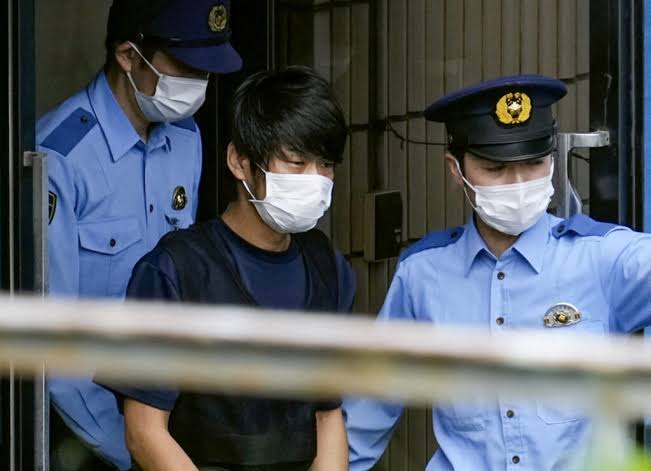
Judge Shinichi Tanaka handed down the sentence in Nara, where Abe was shot during a campaign speech in July 2022. The defendant, Tetsuya Yamagami, 45, had admitted to murder but contested some other charges, including firearms control law violations, after using a handmade gun to kill Japan’s longest-serving prime minister.
The killing forced a rare national reckoning over gun violence in Japan and sparked scrutiny of alleged links between conservative politicians and the Unification Church. Prosecutors said Yamagami targeted Abe to draw attention to the church, blaming it for his family’s financial ruin due to his mother’s donations.
Public interest in the trial was high, with crowds gathering outside the courthouse. Prosecutors called the murder unprecedented in Japan’s post-war history, citing its serious impact on society. While life imprisonment in Japan allows for the possibility of parole, experts say many inmates never leave prison.
Abe was serving as a lawmaker after stepping down as prime minister when he was killed.
Judge Shinichi Tanaka handed down the sentence in Nara, where Abe was shot during a campaign speech in July 2022. The defendant, Tetsuya Yamagami, 45, had admitted to murder but contested some other charges, including firearms control law violations, after using a handmade gun to kill Japan’s longest-serving prime minister.
The killing forced a rare national reckoning over gun violence in Japan and sparked scrutiny of alleged links between conservative politicians and the Unification Church. Prosecutors said Yamagami targeted Abe to draw attention to the church, blaming it for his family’s financial ruin due to his mother’s donations.
Public interest in the trial was high, with crowds gathering outside the courthouse. Prosecutors called the murder unprecedented in Japan’s post-war history, citing its serious impact on society. While life imprisonment in Japan allows for the possibility of parole, experts say many inmates never leave prison.
Abe was serving as a lawmaker after stepping down as prime minister when he was killed.