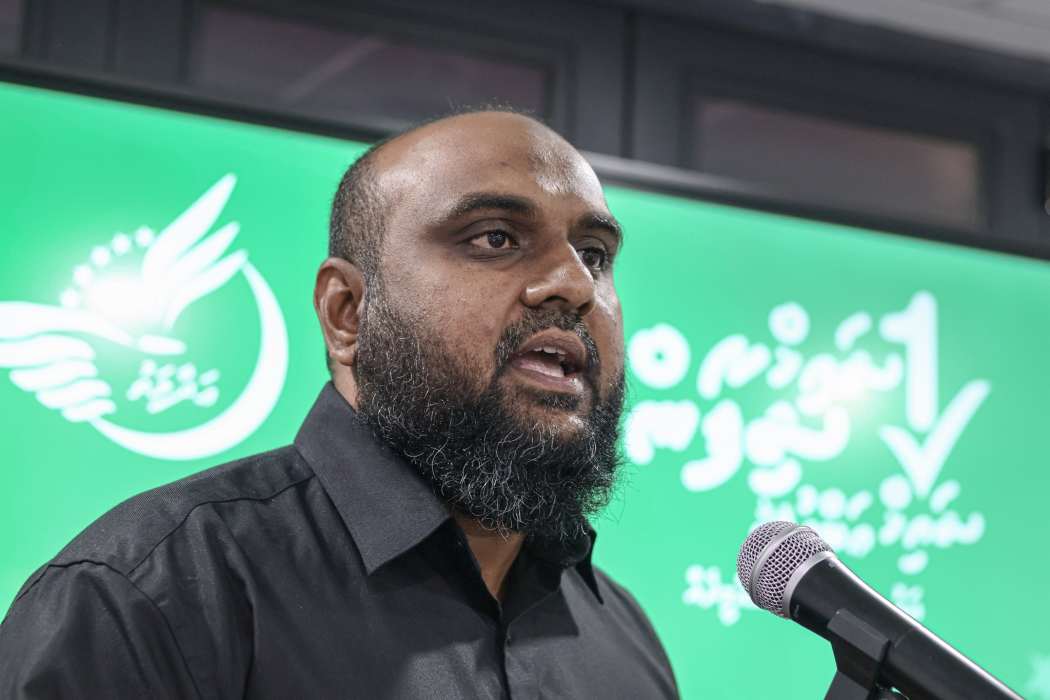


Inner Maldives CEO Mohamed Firaq has said the root problem facing the country is not its president, but the deterioration of the justice system.
In a post on X today, Firaq stressed that Presidents Muizzu, Solih, Yameen, or Nasheed are not responsible for the nation’s worsening situation. He said the Constitution has been repeatedly amended and “twisted beyond recognition” to serve the interests of a few rather than the people.
Firaq added that ordinary citizens have been left powerless, while corruption allows some to walk away with millions or billions of MVR. He likened the treatment of the public to being “pieces on a carrom board,” used and discarded by politicians at will.
“The real issue lies in the system. Our justice system is broken, and legislation has been distorted to benefit a few, not the people,” Firaq wrote.
He urged political leaders to confront systemic problems directly, work toward reforms, and reduce corruption, even if they do not benefit personally.
In a post on X today, Firaq stressed that Presidents Muizzu, Solih, Yameen, or Nasheed are not responsible for the nation’s worsening situation. He said the Constitution has been repeatedly amended and “twisted beyond recognition” to serve the interests of a few rather than the people.
Firaq added that ordinary citizens have been left powerless, while corruption allows some to walk away with millions or billions of MVR. He likened the treatment of the public to being “pieces on a carrom board,” used and discarded by politicians at will.
“The real issue lies in the system. Our justice system is broken, and legislation has been distorted to benefit a few, not the people,” Firaq wrote.
The real issue lies in the system not with President Muizzu , President Soalih , President Yameen or President Nasheed. The root problem is justice. Our justice system is broken, and the legislation has been twisted beyond recognition. With so many amendments, our Constitution…
— Mohamed Firaq (@mohamedfiraq) August 22, 2025
He urged political leaders to confront systemic problems directly, work toward reforms, and reduce corruption, even if they do not benefit personally.